Menorca's South Coast Beaches: A Complete Guide
August 10, 2026
From Punta Prima to Cala Macarelleta: white sand, pine woods and access rules that change with the season
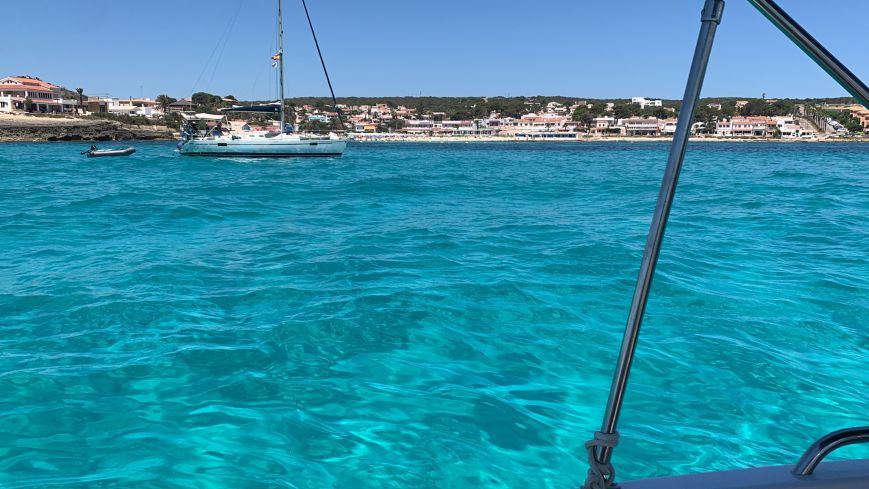
Menorca's south coast holds some of the most photographed coves in the Mediterranean: the long stretch of sand at Son Bou, the turquoise water of Cala Macarelleta, the pine woods that reach almost to the sea at Cala en Turqueta, and family-friendly beaches like Punta Prima or Binibeca, just minutes from Maó. This guide covers the southern coastline from east to west, how to reach each stretch and when to visit depending on the wind and the season.
At a glance
- Extent: the whole south coast, from Punta Prima (near Maó) to Cala Macarelleta (near Ciutadella)
- Beach type: from wide, developed beaches (Son Bou, Punta Prima) to unspoilt coves reachable only on foot or by boat (Trebalúger, Macarelleta)
- Car access: restricted from 1 June to 30 September at Cala Macarella, Cala Macarelleta and other unspoilt coves; normal access the rest of the year
- Best with a Tramontana wind (from the north): the south stays sheltered and the sea calm
- Reference trail: the Camí de Cavalls (GR-223) links up much of this stretch of coast
What are the beaches on Menorca's south coast?
The southern coastline splits into three stretches, based on distance from JUME URBAN ROOMS and type of access: the beaches near Maó, which have facilities and are easy to reach by car or public transport; the central beaches, long and well connected; and the unspoilt coves in the west, wilder and with access restrictions in summer.
Near Maó: Punta Prima, Cala Alcaufar and Binibeca
Less than twenty minutes' drive from central Maó lies the most accessible stretch of the south coast. Punta Prima is a fine-sand beach looking out towards Illa de l'Aire, with a seafront promenade, beach bars and ample parking. Nearby, Cala Alcaufar still has the feel of a fishing village, with calm water that suits families well. Binibeca Vell, with its whitewashed houses and narrow lanes, lends its name to Binibeca beach, and a short distance away lie Binisafúller and Biniancolla, small, sheltered coves popular with anyone staying in Maó who would rather avoid the motorway.
This stretch has no car access restrictions at any time of year, which makes it the most convenient option if you're short on time or travelling without a hire car.
Centre: Son Bou and Sant Tomàs
Son Bou is Menorca's longest beach, running over two and a half kilometres, with full facilities: lifeguard, sunbeds, beach bars and a wooden boardwalk over the dune system and the protected wetland behind it. Its quieter western end connects on foot to Atalis, a small, less crowded cove.
Sant Tomàs, a little further west, pairs a wide beach with a seafront of hotels and flats, and serves as a starting point for walking to smaller coves such as Binigaus, with a sandstone canyon inland that's worth the walk.
West: Cala en Turqueta, Cala Macarella, Cala Macarelleta and Cala Galdana
The westernmost stretch holds the island's most photographed coves. Cala en Turqueta takes its name from the colour of the water and is ringed by pine woods; it's reached along a dirt track with a designated car park. Cala Macarella, somewhat larger and with a small beach bar, is the gateway to Cala Macarelleta, its smaller sibling, more secluded and wild, a fifteen-minute walk along a path with cliff views.
Cala Galdana, developed and fully served, works well as a base for exploring this area: from here a stretch of the Camí de Cavalls leads to Cala Mitjana and Cala Trebalúger, two coves with no road access at all, reached only on foot or by boat.
Can you drive to every cove on the south coast in summer?
No. Between 1 June and 30 September, private vehicle access is closed at Cala Macarella and Cala Macarelleta, among other unspoilt coves on the island. During those dates there are two alternatives: the shuttle bus (line 69 from Ciutadella, booking recommended in high season) or walking from Cala Galdana along the Camí de Cavalls, a route of around 50 minutes. Outside those dates, in low season, car access is allowed again.
The beaches near Maó (Punta Prima, Cala Alcaufar, Binibeca) and the central beaches (Son Bou, Sant Tomàs) have no such restriction and can be reached by car year-round.
Which wind is best for the south coast beaches?
In Menorca the rule is simple: when the Tramontana blows (a north wind, frequent and often strong on the island), the south stays sheltered and the sea remains calm, while the north coast picks up swell. When the wind swings round to Migjorn (south), the opposite happens and it's worth switching coasts. It's worth checking the wind forecast the night before, especially if the plan includes a cove with no flag or lifeguard.
Frequently asked questions
What is the largest beach on Menorca's south coast?
Son Bou, running over two and a half kilometres with full facilities.
Which south coast beaches are closest to Maó?
Punta Prima, Cala Alcaufar, Binibeca, Binisafúller and Biniancolla, all less than twenty minutes' drive from central Maó and with no access restrictions.
Do you need to book the bus to reach Cala Macarella in summer?
It's advisable in high season, especially in July and August, as line 69 from Ciutadella can reach capacity.
Is there a south coast cove reachable only on foot?
Yes, Cala Trebalúger has no road access at any time of year; it's reached on foot from Cala Galdana along the Camí de Cavalls, or by boat.
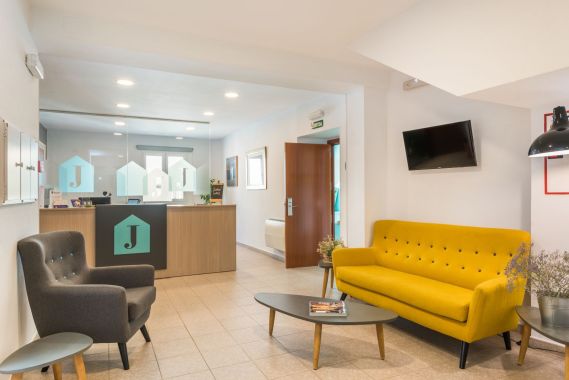
From JUME URBAN ROOMS
JUME URBAN ROOMS is right in the centre of Maó, minutes from the eastern beaches of the south coast — Punta Prima, Cala Alcaufar, Binibeca — with quick access to the road that runs the length of the southern coastline all the way to Ciutadella. A good base whether you'd rather not depend on a car or want to explore the south coast from end to end.